-
 Continue reading →: African Languages and Cultural Identity: Connecting Ethnicity, Traditions, and Community
Africa’s linguistic diversity, with over 2,000 languages, is central to its cultural identity. Each language represents ethnic heritage, community bonds, and traditional practices. However, globalization and colonial languages threaten these languages. Efforts for preservation include education policies, documentation, and digital promotion, highlighting the ongoing importance of African languages in cultural…
-
 Continue reading →: Economic Challenges and Opportunities in The Gambia
The Gambia, facing economic challenges like limited resources, infrastructure deficits, and youth unemployment, holds potential for growth through tourism diversification, agricultural modernization, and renewable energy. By investing in education and improving governance, the nation can leverage its strategic location and youthful population to achieve sustainable development and economic transformation.
-
 Continue reading →: The Possible Wolof Origins of the Word “Banana”
The banana, popular worldwide, has a rich etymological background possibly tracing back to the Wolof word “banaana.” Introduced to European languages during the Age of Exploration through Portuguese and Spanish traders, it highlights Africa’s linguistic contributions. Various theories exist regarding its origins, illustrating a complex cultural and historical exchange.
-
 Continue reading →: Learning a Foreign Language: My Personal Journey
Learning a foreign language is a transformative journey filled with challenges and growth. Initially overwhelming, consistent daily practice and diverse learning tools helped overcome barriers. Speaking improved through patience and cultural insights enhanced appreciation for the language. Ultimately, the experience promotes resilience and opens new connections, proving the journey is…
-
 Continue reading →: The Impact of Slavery on the Wolof People
The Wolof people’s history is significantly shaped by the transatlantic slave trade, which disrupted their societies and cultures. While some leaders participated, many were victims. Despite trauma, resistance manifested through cultural survival. The abolition of slavery led to further exploitation under colonial rule. Today, efforts to address this legacy continue,…
-
 Continue reading →: Senegalese Music and Dance: A Vibrant Cultural Heritage
Senegal’s cultural heritage thrives through vibrant music and dance, particularly the sabar drum and dance, essential for community bonding and cultural transmission. Griots preserve history through storytelling, while modern genres like mbalax blend tradition with contemporary influences. Renowned artists like Youssou N’Dour showcase Senegal’s artistry globally, promoting cultural pride and…
-
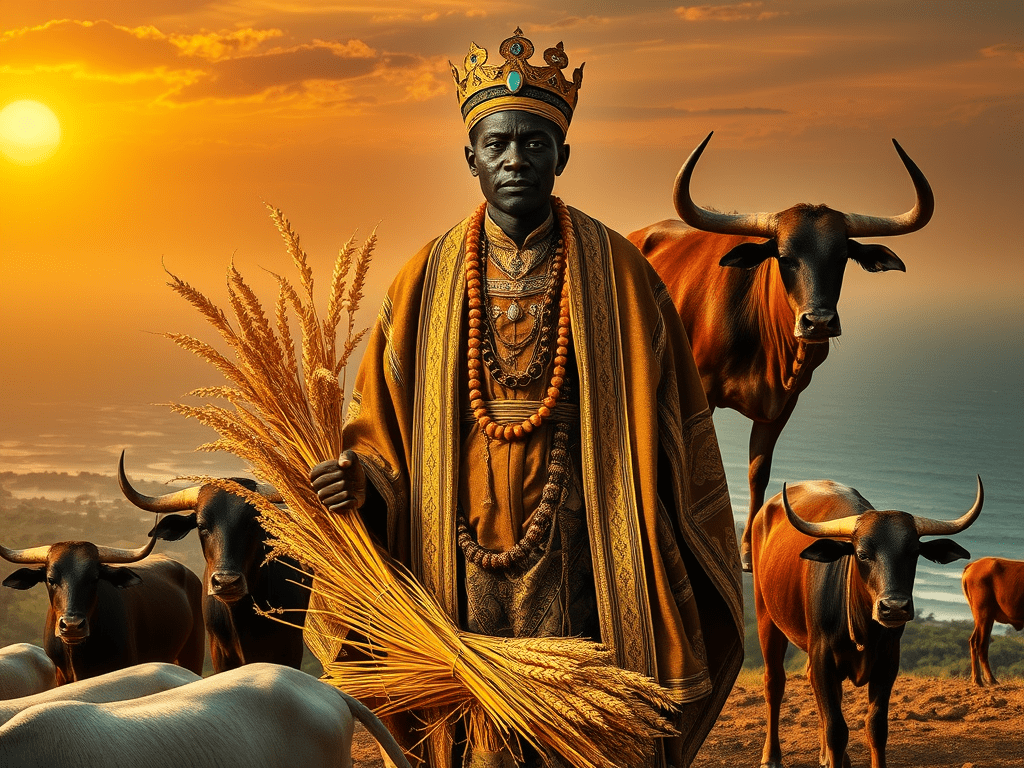 Continue reading →: The Kingdom of Jolof: A Glorious Legacy in West African History
The Kingdom of Jolof, thriving from the 14th to 16th centuries in West Africa, was known for its political structure, economic trade, and cultural achievements. Founded by Ndiadiane Ndiaye, it connected various states and played a vital role in regional trade networks. Though fragmented by the late 16th century, its…
-
 Continue reading →: Grammatical Gender in Wolof: A Unique System
Wolof, a language spoken in Senegal and surrounding areas, uses a noun class system instead of grammatical gender. This approach categorizes nouns through specific markers that ensure agreement among elements within sentences. The system is flexible, allowing context-dependent classification, making it an intriguing subject for linguists and learners alike.
-
 Continue reading →: Endangered African Languages: Preserving Voices on the Brink
Africa boasts immense linguistic diversity with over 2,000 languages, yet many are endangered, facing extinction due to urbanization, colonial legacies, and economic pressures. Efforts for preservation include documentation, community-led initiatives, and education. Protecting these languages is crucial to preserving unique cultural heritage and enhancing global linguistic diversity.
-
 Continue reading →: Traditional Beverages of The Gambia
The Gambia, known for its vibrant culture and hospitality, offers a variety of traditional beverages that reflect its agricultural heritage. Notable drinks include Wonjo, Baobab Juice, Ginger Beer, Kanyan, Palm Wine, and Tamarind Juice, each with unique flavors and cultural significance. These beverages embody the country’s culinary richness and community…
Dalal ak jàmm,
Janga Wolof

Welcome to Janga Wolof…bear with us while we make some changes to the site…
Let’s connect
Join the fun!
Stay updated with our latest tutorials and ideas by joining our newsletter.
 Janga Wolof