Unlike many languages that use grammatical gender to classify nouns (such as masculine, feminine, or neuter), Wolof—a Niger-Congo language spoken primarily in Senegal, The Gambia, and Mauritania—takes a distinctive approach. Instead of traditional gender distinctions, Wolof employs a system of noun class markers, often called “noun classes” or “agreement classes,” to organize its grammar. This system, while sharing some similarities with grammatical gender, is broader and more flexible.
What Are Wolof Noun Classes?
Wolof uses noun class markers as a way to categorize nouns and establish agreement between nouns, pronouns, demonstratives, adjectives, and other grammatical elements. These markers are prefixes or concords that signal relationships between words in a sentence, providing grammatical coherence.
The primary noun classes in Wolof include:
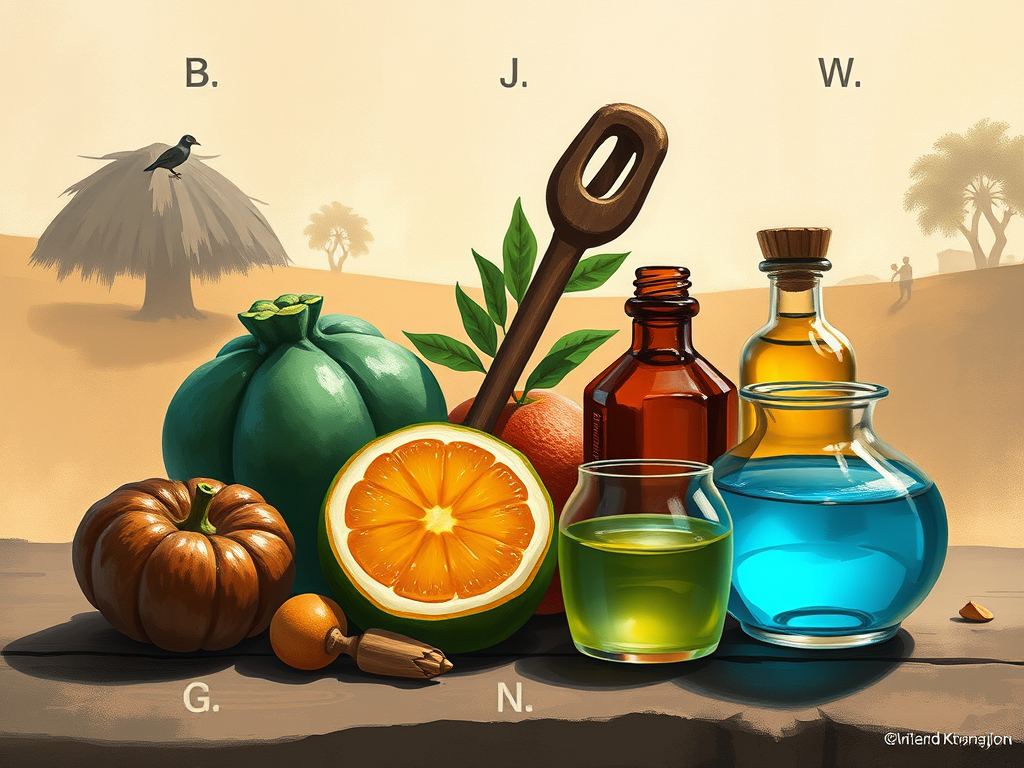
- B-class: Commonly used for singular nouns, including many inanimate objects and abstract concepts.
- G-class: Often associated with certain singular nouns, particularly those that denote round objects or fruits.
- J-class: Used for singular nouns, particularly animals and some specific objects.
- K-class: Frequently used for singular nouns referring to tools, objects, or humans.
- N-class: Typically used for plural nouns, regardless of whether they are animate or inanimate.
- W-class: Used for singular nouns, especially liquids or some specific items.
Key Features of Wolof Noun Class System
1. Agreement Across Elements
The noun class marker is reflected across multiple parts of speech to ensure agreement. For example:
- Demonstratives:
- Bii (this) for nouns in the B-class: xale bii (this child).
- Wii (this) for nouns in the W-class: ndox wii (this water).
- Pronouns:
Pronouns adapt to the noun class of the noun they replace, ensuring consistency. For example, the pronoun for “it” differs depending on the noun’s class.
2. No Gendered Distinctions
Unlike languages such as French or Spanish, Wolof’s noun classes do not correspond to concepts of masculine or feminine. Instead, they are based on other attributes such as physical characteristics, function, or pluralization.
3. Flexibility and Context Dependence
Some nouns can belong to different classes depending on context. For example, a noun might change its class marker when pluralized or to reflect a specific characteristic of the object being described.
Examples of Noun Class Usage
Here’s how Wolof noun classes influence grammar:
- Singular Noun in B-Class:
- Bunt bii dafa ubb.
- (This door is open.)
- Plural Noun in N-Class:
- Bunt yi dañu ubb.
- (The doors are open.)
- Singular Noun in W-Class:
- Ndox wii dafay taw.
- (This water is cold.)
In these examples, the noun class marker (bii, yi, wii) changes depending on the class and number of the noun.
How Does Wolof Differ from Gendered Languages?
In French, for example, nouns are divided into masculine and feminine, with corresponding articles (le, la) and adjectives agreeing in gender. Wolof replaces this binary gendered system with a broader and more nuanced system based on noun classes.
This structure makes Wolof a fascinating study for linguists interested in alternative grammatical systems. It also highlights the diversity of linguistic approaches to categorization, showing that gendered language is far from universal.
Learning Wolof Noun Classes
For language learners, mastering Wolof’s noun class system is essential for speaking fluently and understanding grammar. Here are some tips:
- Memorize Common Noun Class Markers: Focus on identifying which nouns belong to which classes and the corresponding agreement markers.
- Practice Agreement: Practice constructing sentences where demonstratives, pronouns, and adjectives match the noun class.
- Listen to Native Speakers: Hearing Wolof in use can help reinforce noun class patterns and their nuances.
Conclusion
Wolof’s grammatical system provides a refreshing departure from gendered languages, showcasing the flexibility and diversity of human language. By using noun classes instead of traditional grammatical gender, Wolof creates a unique and elegant framework for organizing grammar. For learners, it’s a system that is both logical and enriching, offering a deep insight into the culture and structure of the Wolof-speaking world.





 Janga Wolof